The narrative is designed around a reader decision
Capability
Communications & Publications.
Clear, authoritative reports, publications and communications systems.
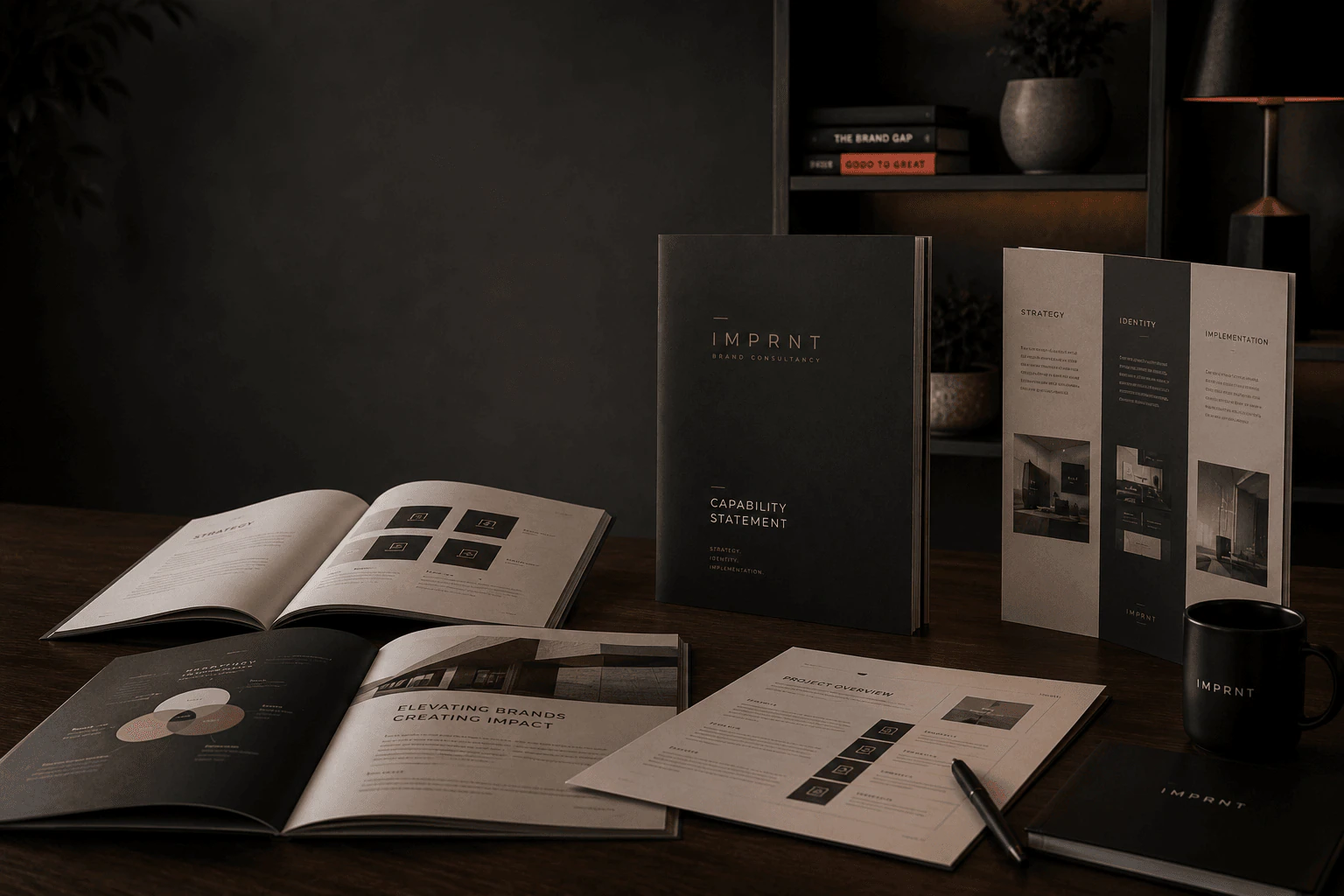
The strategic problem
A document is not clear because every fact is present.
Important information loses influence when hierarchy, narrative and accessibility are treated as surface decoration.
Information design is the architecture of attention: it determines what people notice, understand and remember.
Designed for
- Government teams
- Corporate communications teams
- Member organisations
A practical diagnostic
Test the system before prescribing the output.
Give a reader ninety seconds with the document, then ask what changed, what matters and what they should do. Their answer reveals the actual hierarchy.
Evidence is easy to find and compare
Templates preserve hierarchy across recurring editions
Scope
Questions and systems the work can address.
Editorial strategy
Information design
Report systems
Presentation design
Accessible documents
Approach
A disciplined path from question to outcome.
- 01Clarify audience and purpose
- 02Shape the narrative
- 03Design a repeatable editorial system
- 04Prepare production-ready outputs
Deliverables
Outputs should make a decision or behaviour easier.
Final scope, responsibilities, timing and fees are confirmed in an engagement proposal.
Questions
Useful details before we begin.
Can you work with supplied copy?
Yes. We can structure and edit supplied material or collaborate with approved writers.
Can documents be accessible?
Accessible structure and output requirements are established at the start of the engagement.
Do you manage print production?
Production coordination can be included when suppliers and specifications are confirmed.
Prepare the decision
Plan each page around one reader task.
Use the Website Content Planner as an editorial planning structure for purpose, evidence, ownership and review.